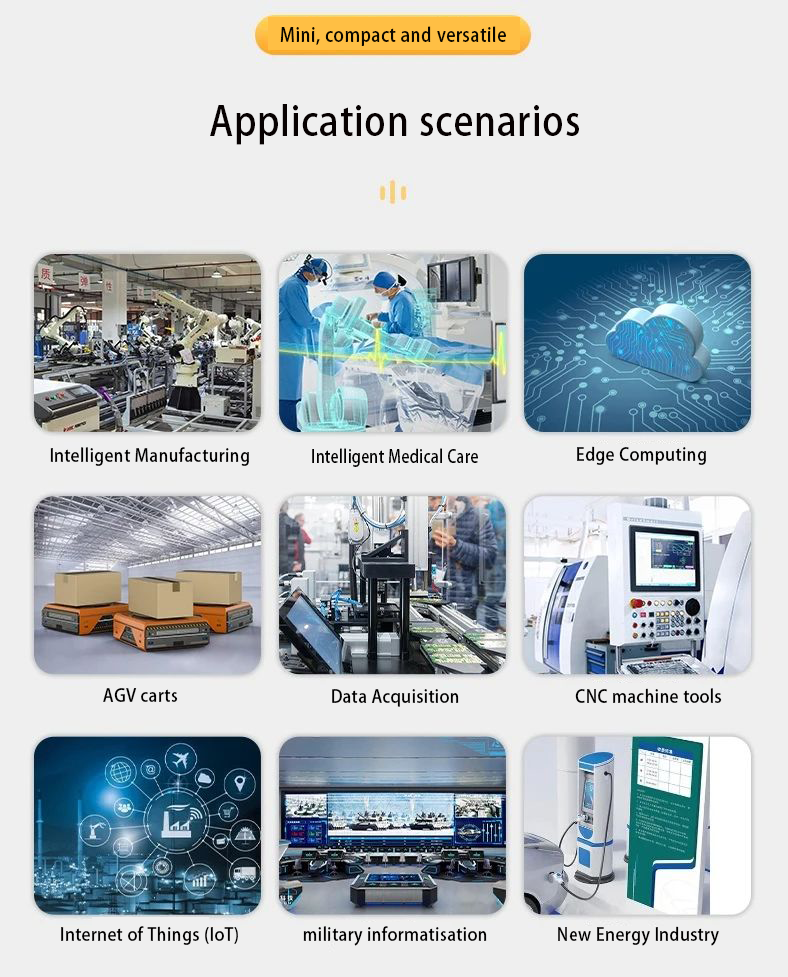
Industrial PC (IPC) and PLC integration has become a core architecture in modern industrial automation systems. As traditional PLC-based control structures increasingly connect with MES platforms, production management systems, data analytics platforms, and intelligent manufacturing infrastructures, enterprises require more scalable, flexible, and intelligent system architectures.
By integrating IPCs with PLC systems, industrial automation platforms gain unified computing, data processing, visualization, and intelligent control capabilities, enabling scalable automation solutions for complex industrial scenarios.
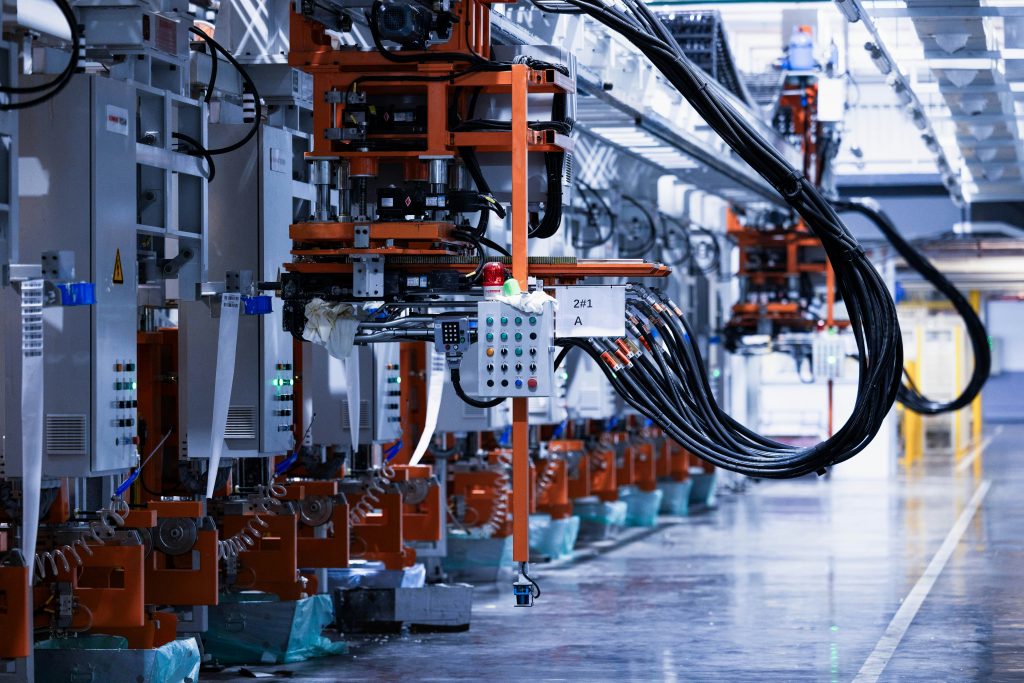
Traditional PLC automation systems were originally designed for stable, deterministic control of production processes. However, modern industrial environments require systems to support MES integration, data analytics platforms, digital manufacturing systems, intelligent production management, and smart factory infrastructure.
This evolution drives the need for integrated computing and control architectures beyond standalone PLC systems.
PLC-based automation control systems rely on digital IO input/output, analog sensor acquisition, pulse control, bus-type motion control, and HMI-based visualization and operation.
This architecture has been widely deployed in traditional industrial automation, providing stable and reliable control for standard production scenarios.
Traditional PLC systems face fundamental structural constraints in modern industrial environments:
These limitations constrain system intelligence, scalability, and digital transformation.
In traditional expansion models, enterprises often adopt PLC + touch screen + industrial PC hybrid architectures. While functional, this structure introduces multi-layer system complexity and cost pressure.
Cost Structure:
Equipment Costs
Increased procurement costs for PLCs, HMIs, IPCs, and industrial monitors
Personnel Costs
Additional software development, system integration, and cross-platform technical staffing
Maintenance Costs
Dual-system troubleshooting, longer development cycles, and complex system coordination
This hybrid structure increases system complexity and long-term operational costs.
Industrial PC integration enables a unified control and computing architecture.
IPCs provide high-performance processors, scalable memory and storage, and flexible IO and communication interfaces.
This creates centralized control platforms capable of managing automation, data processing, and system integration within a unified industrial computing environment.
Software Architecture
Data & Control
System Integration
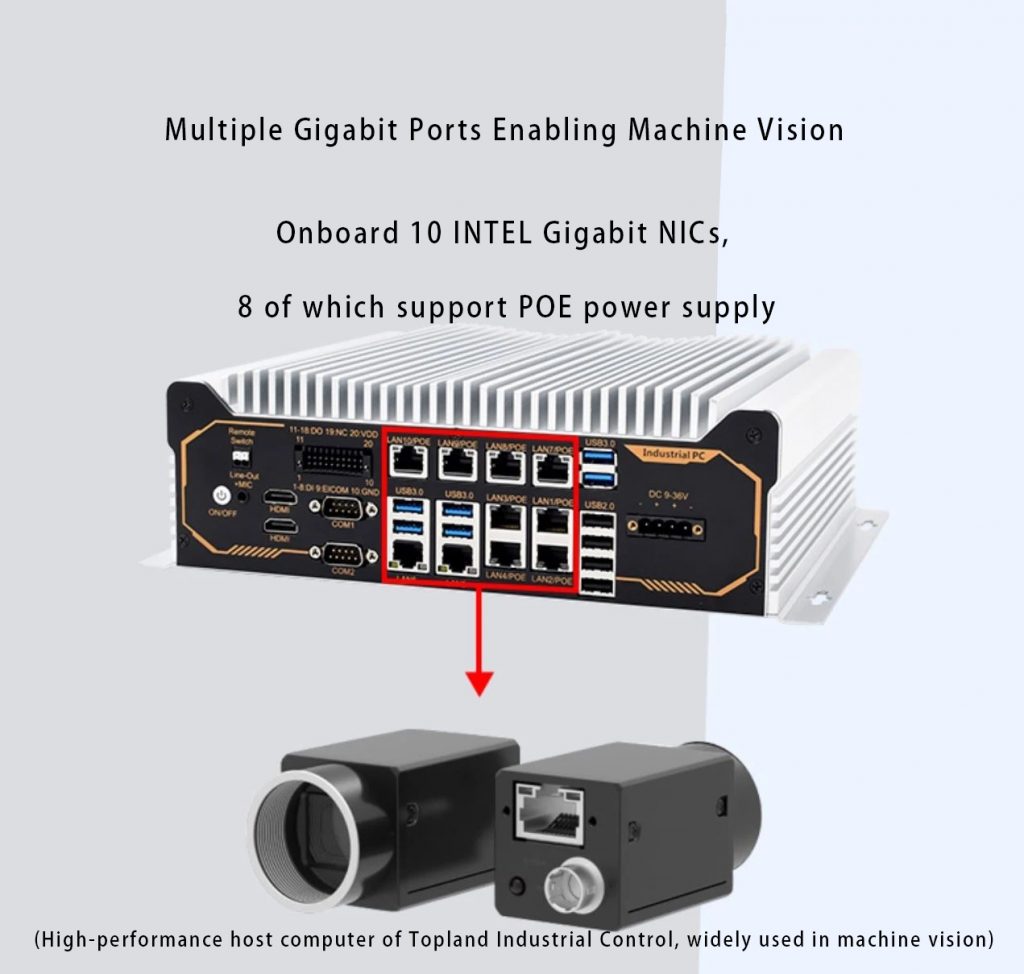
Industrial PC & PLC integration enables a unified automation architecture that reduces system complexity while improving performance:
TP-IPC provides integrated industrial automation solutions based on industrial PC architectures, supporting:
Our platforms are engineered for industrial environments and support complex automation scenarios, intelligent control systems, and scalable industrial infrastructures.
TP-IPC industrial systems are designed for high reliability and long-term stability: