Date: 20 August 2024
This paper discusses in detail the important role and application methods of industrial controllers in the transformation of manufacturing industrial control equipment. By analysing its advantages in data processing, real-time control, stability, etc., it explains how to use industrial controllers to improve the efficiency and quality of industrial production. The text lists the actual cases in which Tuolang is involved, and looks forward to the future development trend, providing a useful reference for the technological upgrading of related fields.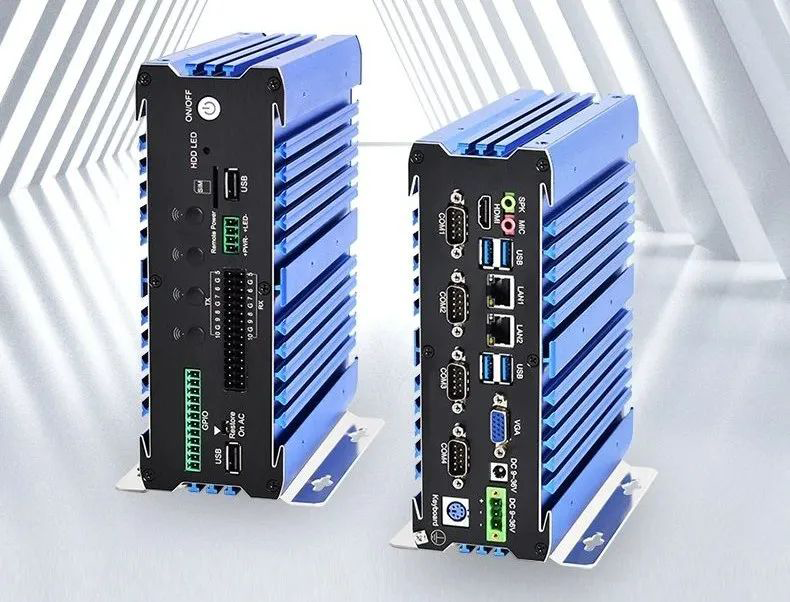
In today’s highly automated industrial production environment, the performance and efficiency of industrial control equipment is crucial to the competitiveness of enterprises. With the continuous progress of science and technology, artificial intelligence scenes all over the street, the traditional industrial control equipment is gradually difficult to meet the growing demand for production and the current trend of energy saving and environmental protection, its transformation and upgrading has become an inevitable choice. As a high-performance, highly reliable industrial control computer, industrial control equipment in the transformation and upgrading plays a key role in improving industrial production efficiency has brought new opportunities.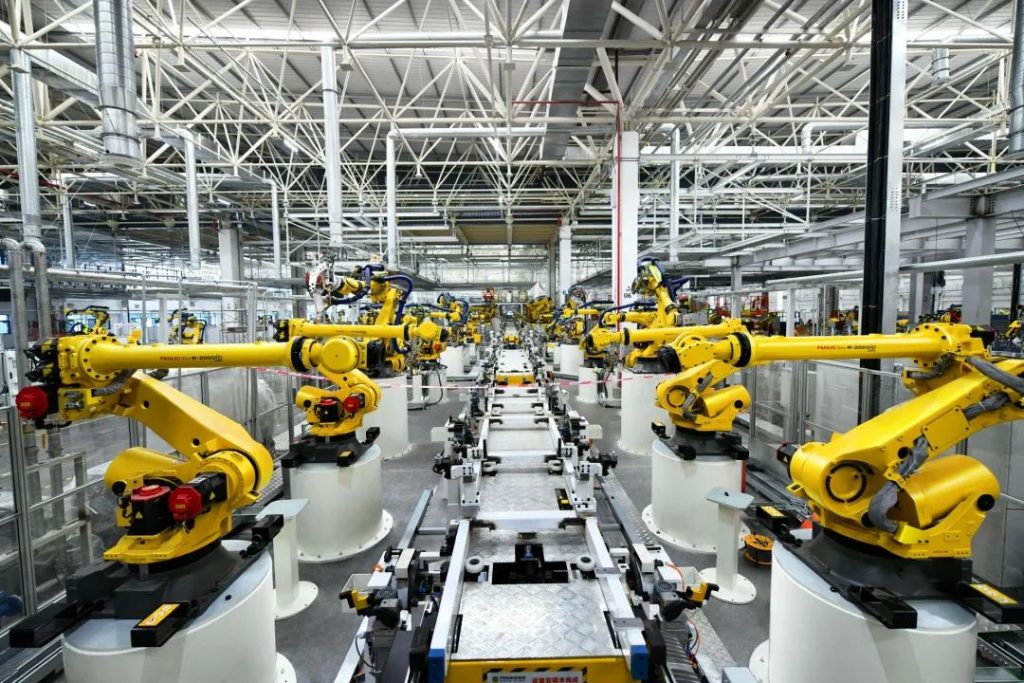
The characteristics and advantages of industrial control machine:
(1) Powerful data processing capability
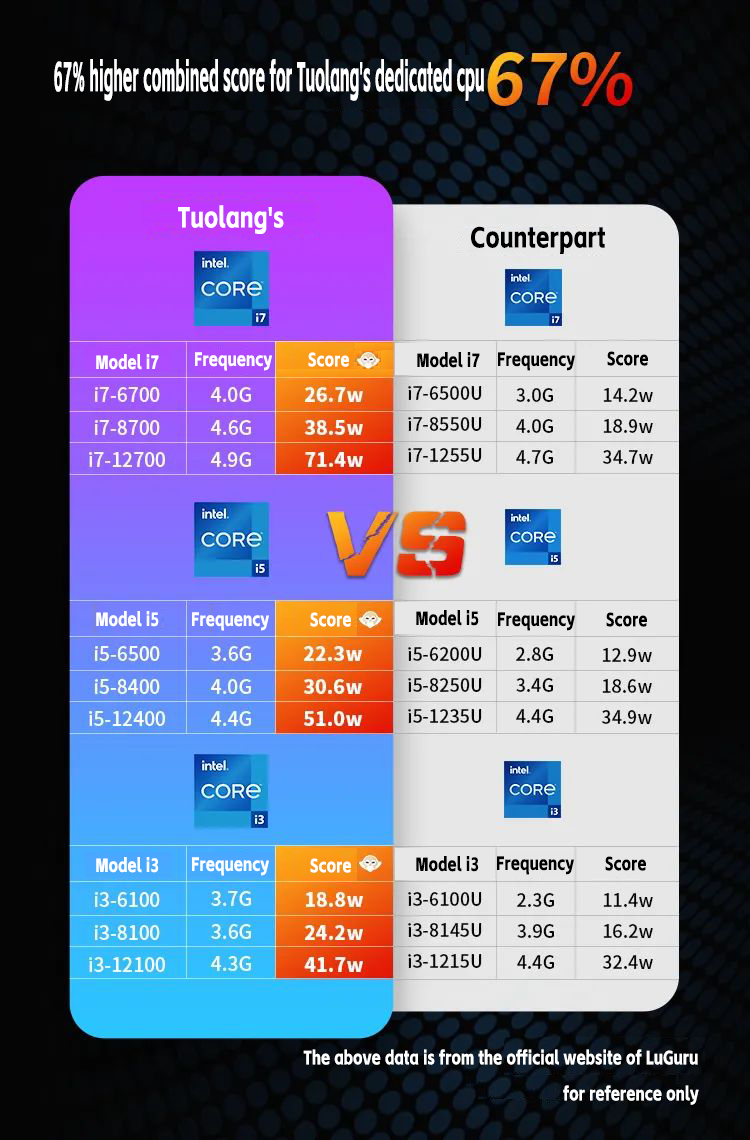
Equipped with a high-performance processor and high-capacity memory, industrial controllers are able to stably run business software and quickly process a large amount of industrial data, realise complex algorithms and model calculations, and provide powerful support for precise control and optimised production.
(2) Real-time control performance
With high-precision real-time clock, fast interruption response and self-recovery capability, it can ensure real-time monitoring and control of industrial processes, handle various emergencies in a timely manner, and reduce production delays and losses.
(3) Stability and reliability
Adopting industrial-grade hardware components and professional design, it is able to operate stably for a long time in harsh industrial environments, with strong anti-jamming ability, and adapt to harsh environmental conditions such as high temperature, high humidity and vibration. (D) Rich interfaces and expandability
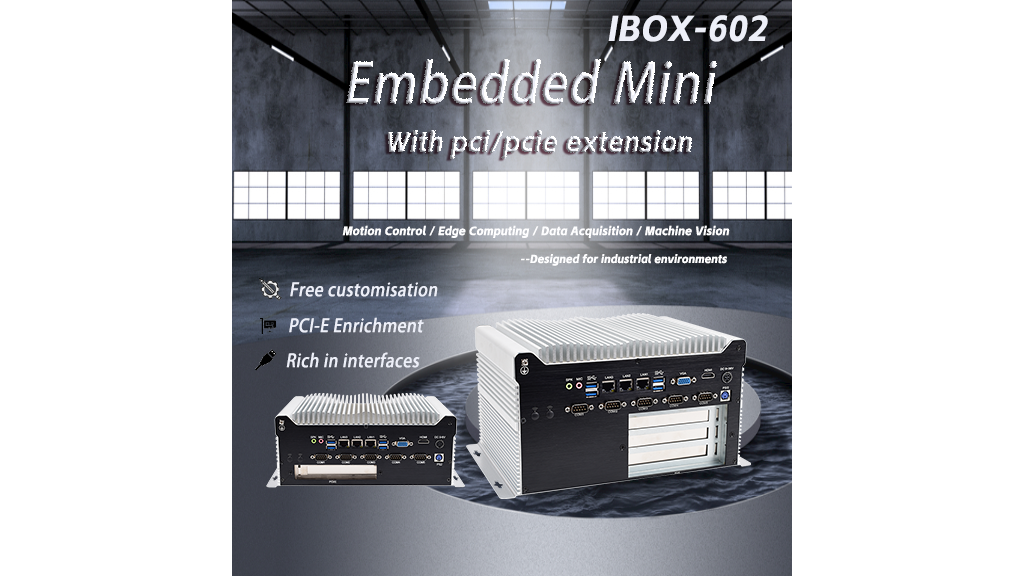
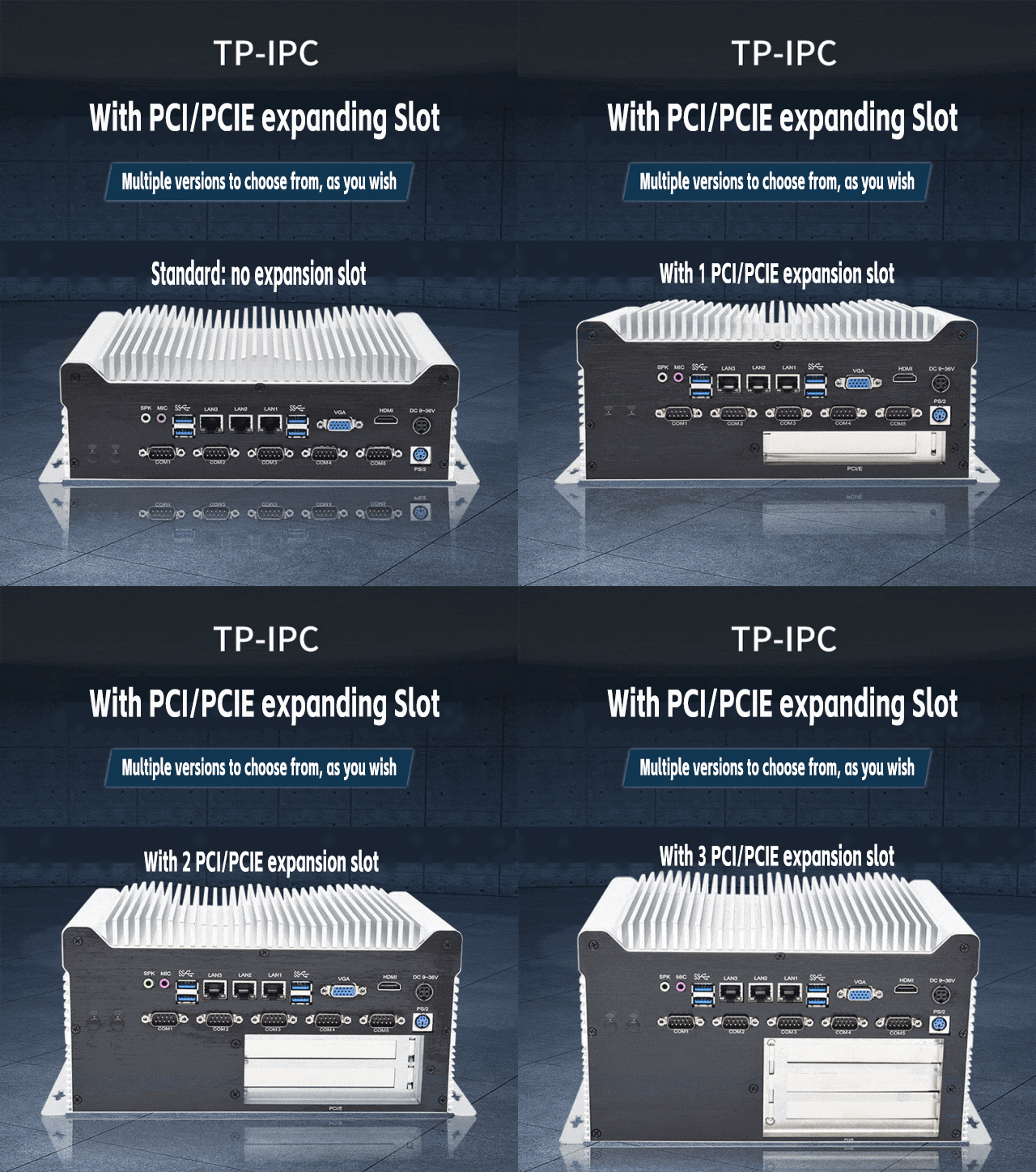
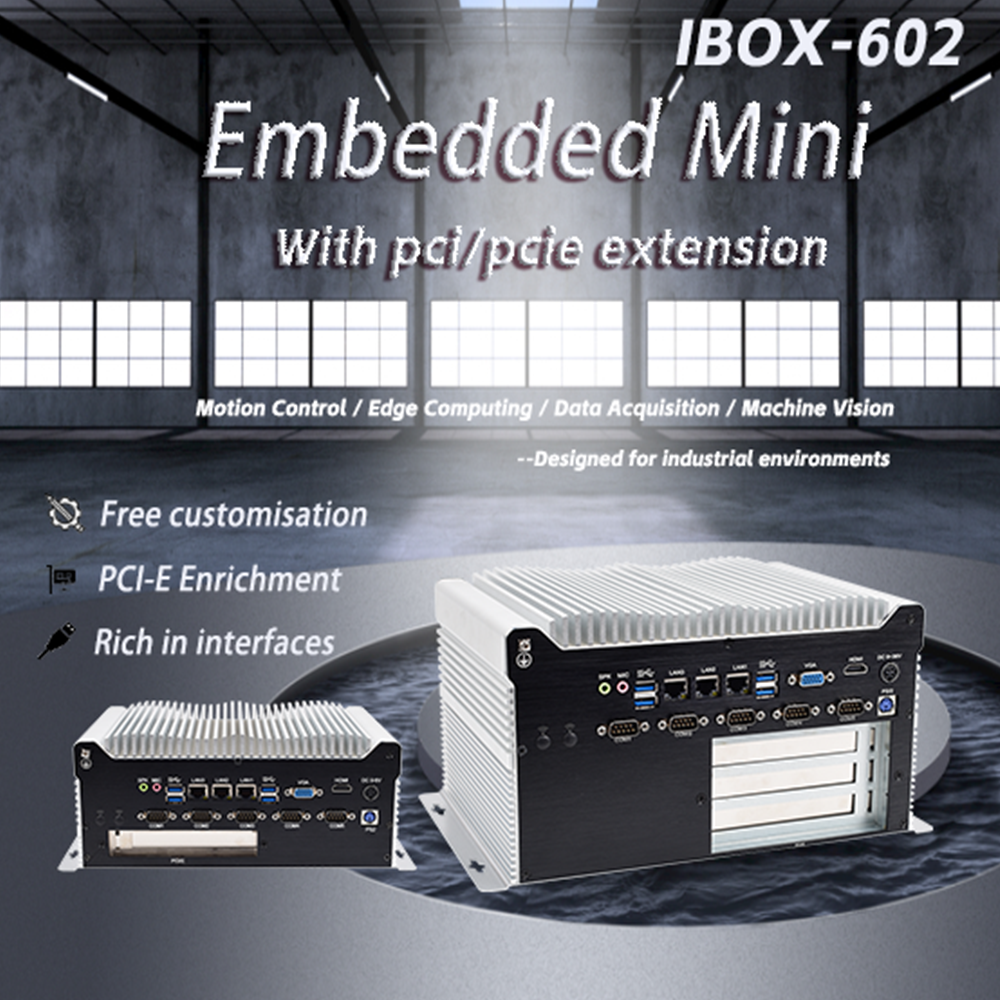
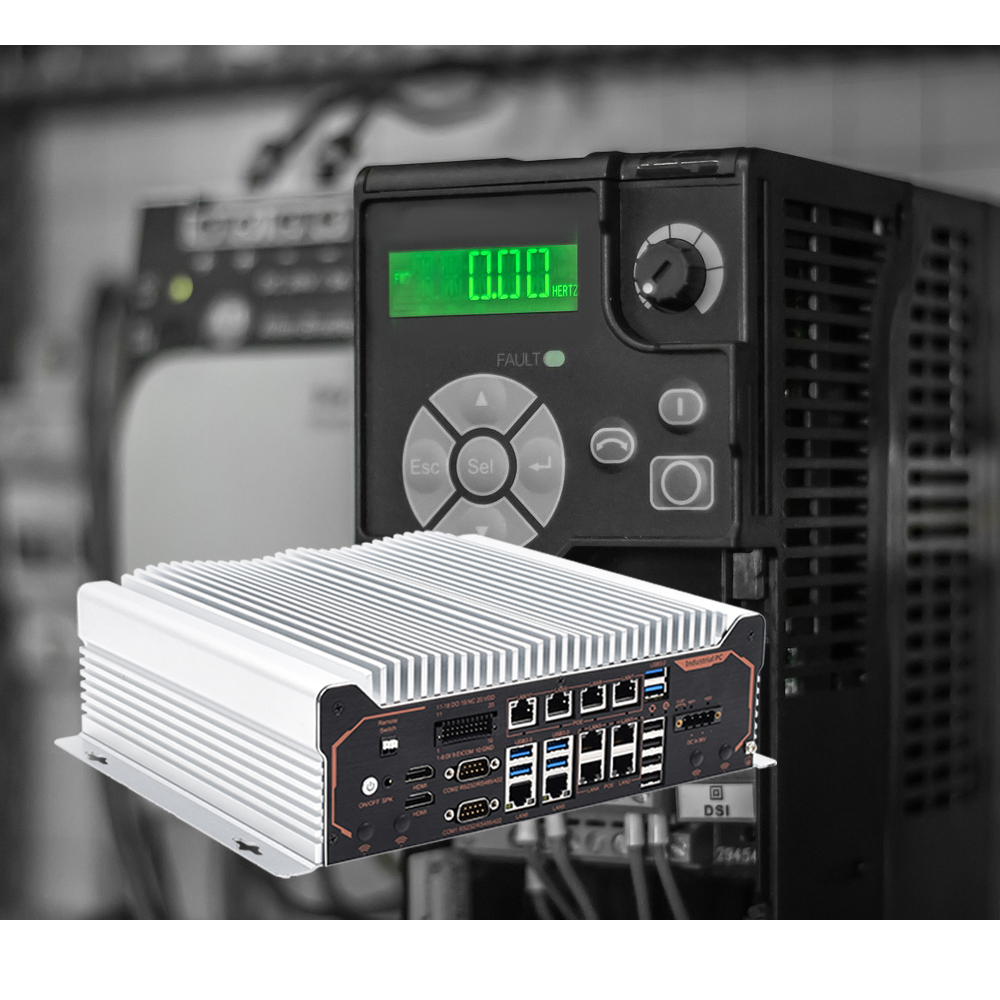
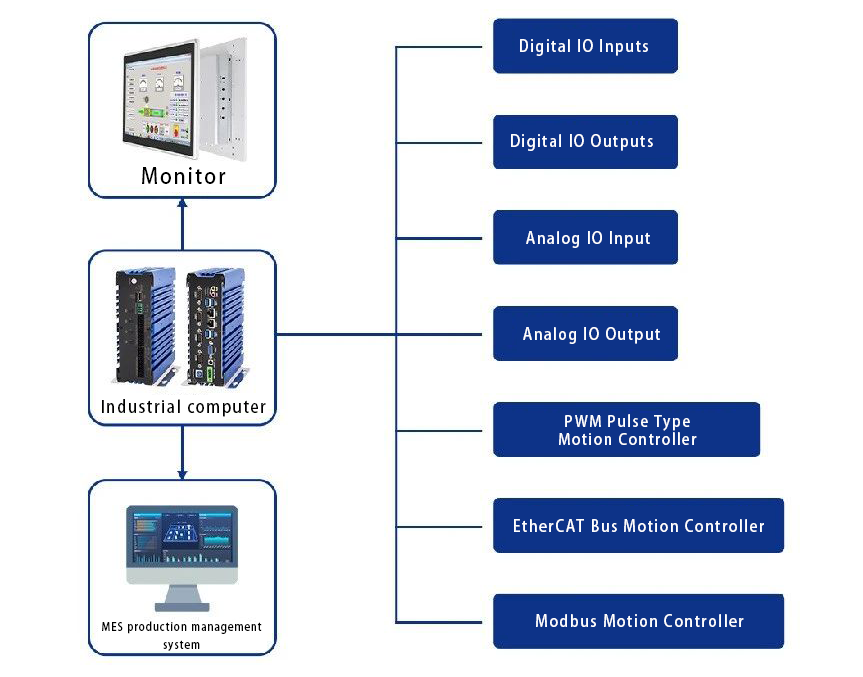
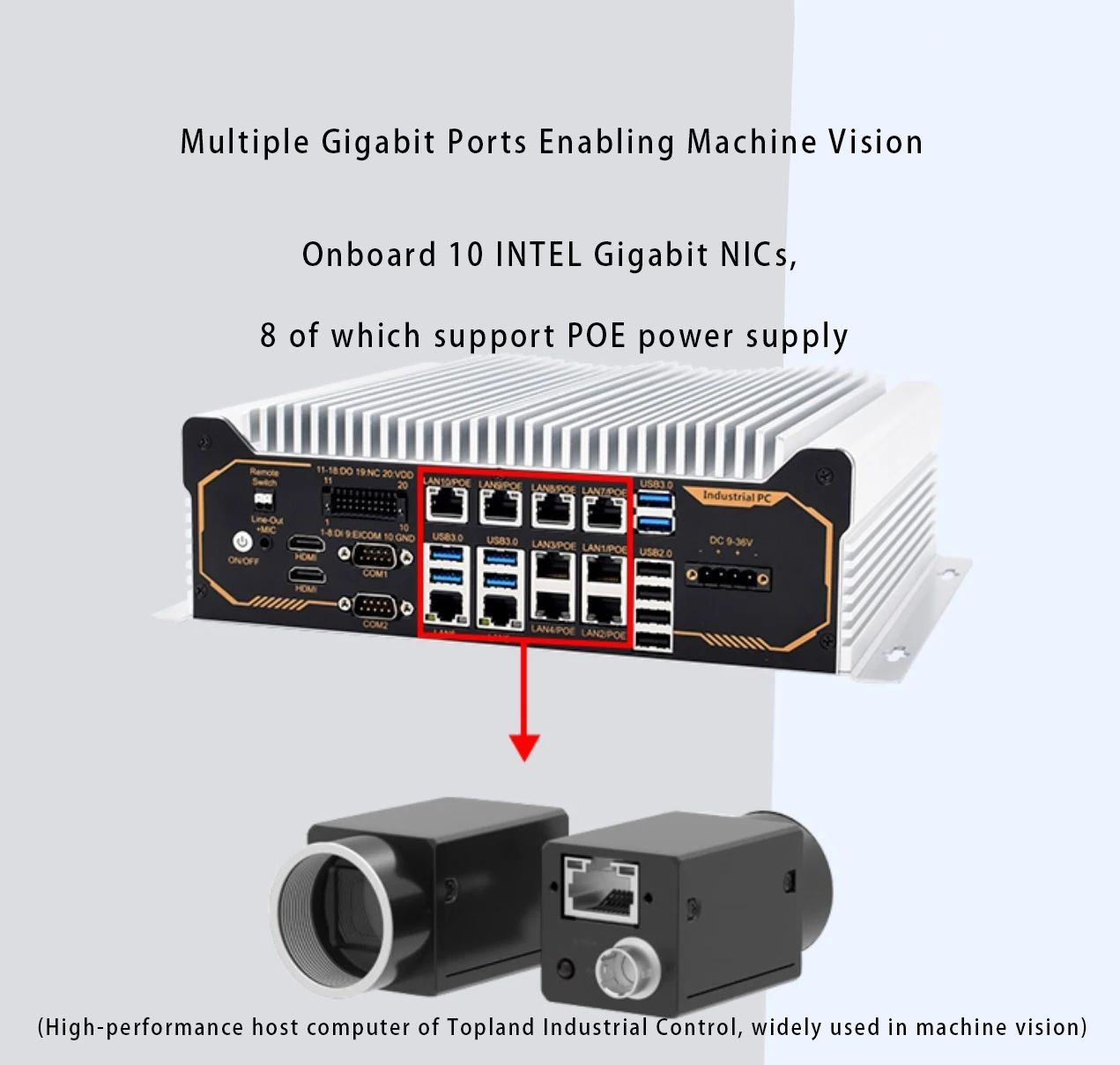
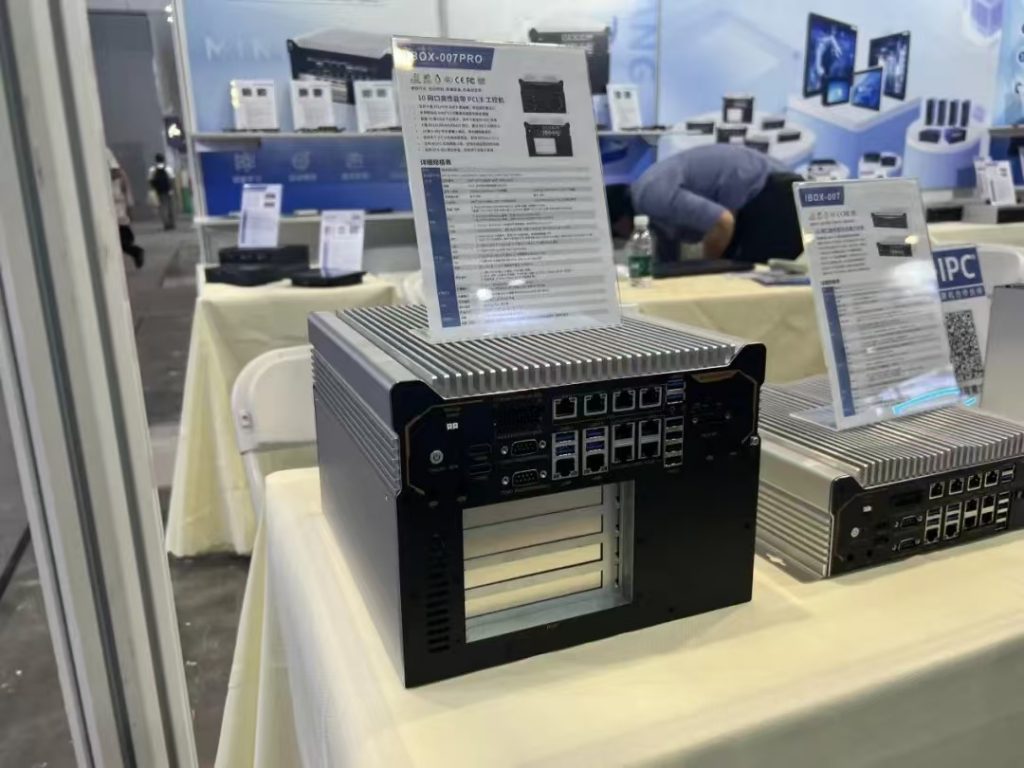
With a variety of interfaces, such as RS232/485 serial port, Gigabit / 10 Gigabit network port, USB port, PCI expansion slot, etc., it is easy to connect and communicate with a variety of industrial equipment. At the same time, it has good expandability, and hardware modules can be added flexibly according to actual needs to meet different functional requirements.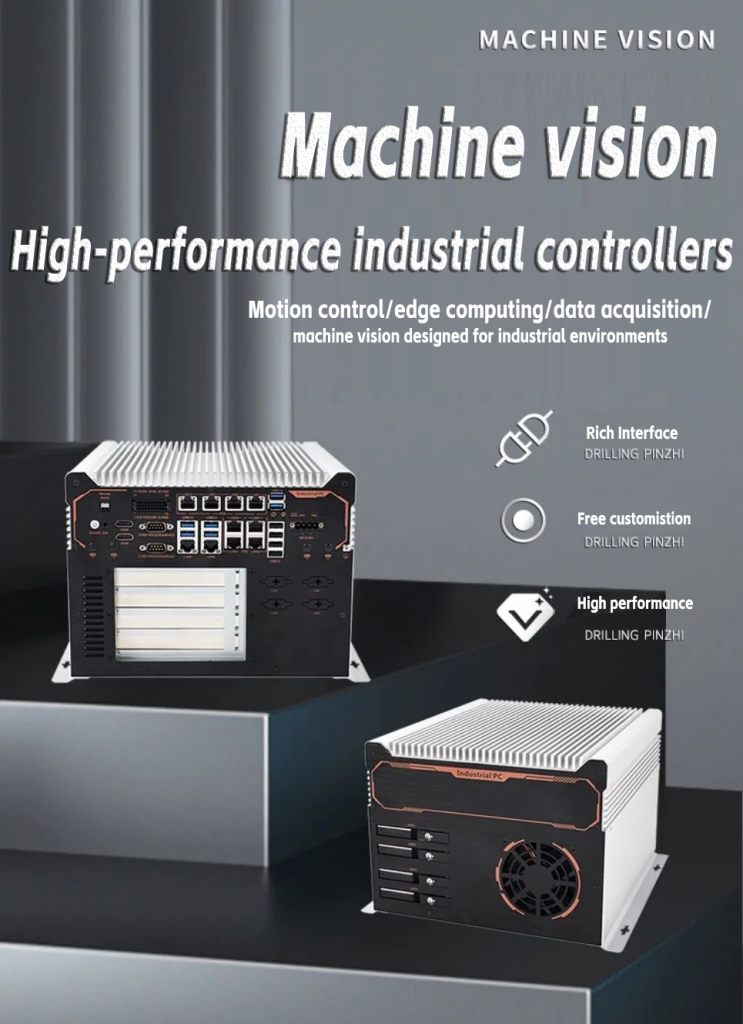
Application areas of industrial control machine in the transformation of industrial control equipment
(1) Manufacturing automated production line transformation
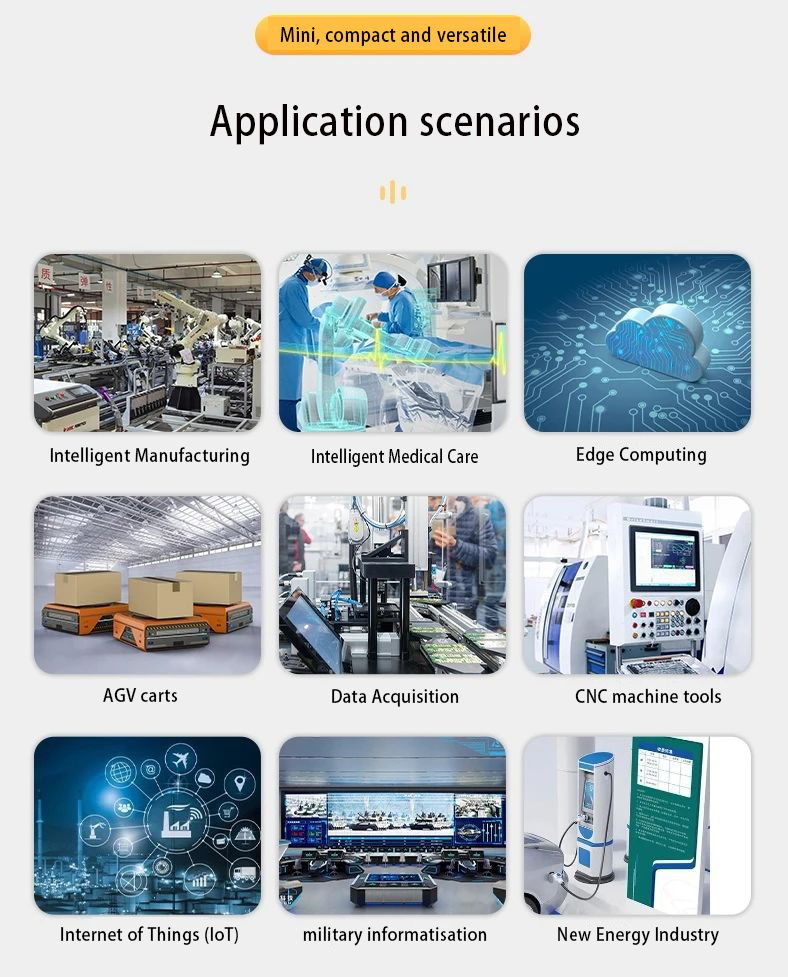
In automated production lines such as automobile manufacturing, electronic equipment production, etc., industrial controllers can be used to control robots, conveying equipment, processing machine tools, etc., to achieve automation and intelligence of the production process and improve production efficiency and product quality.
(2) Energy industry equipment monitoring and optimisation
In the field of electric power, oil, natural gas and other energy, industrial control machine can be used to monitor the operation status of power generation equipment, power transmission and transformation equipment, oil and gas extraction equipment, data analysis and fault diagnosis, to achieve optimal operation and preventive maintenance of equipment.
(3) Intelligent transport system in the transport industry
In the field of railway, highway, aviation and other transport, industrial control machine can be used to control signal lamps, charging system, vehicle detection equipment, etc., to achieve intelligent regulation of traffic flow and safety management.
(4) Environmental monitoring and management equipment
It is used in air quality monitoring and water quality monitoring equipment of environmental monitoring stations, as well as the control system of sewage treatment plants and waste gas treatment equipment, to realise real-time collection and processing of environmental data, and to safeguard the effect of environmental governance.
Specific implementation of industrial controllers in the transformation of industrial control equipment:
(1) System integration
Integrate the industrial control machine with existing sensors, actuators, controllers and other equipment to build a complete industrial control system. By writing control programs and algorithms, it achieves precise control and optimisation of the production process.
(2) Data acquisition and analysis
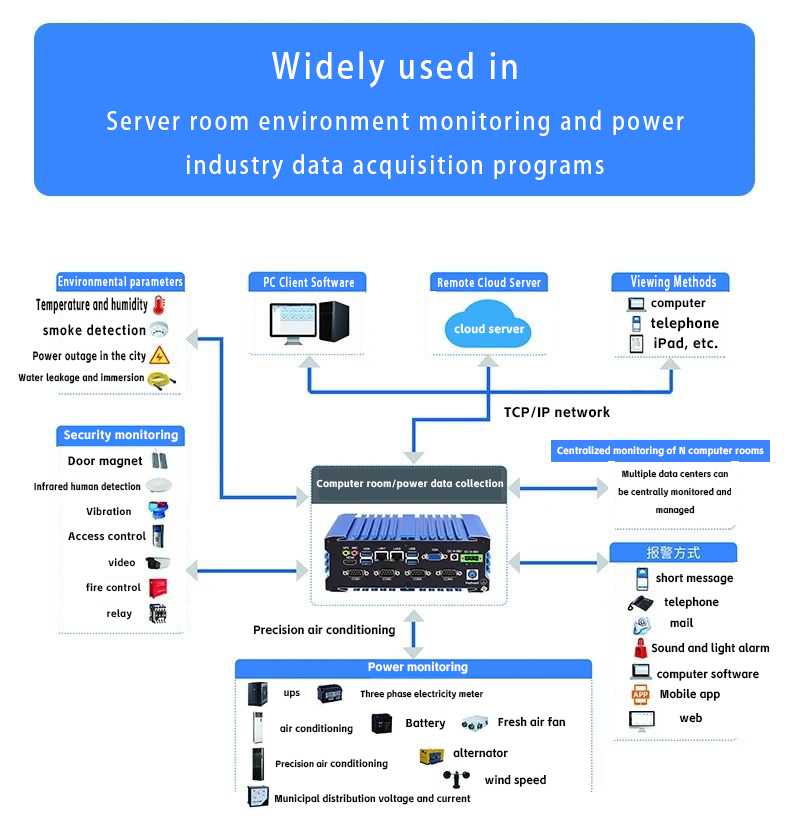
Using the high-speed data acquisition interface of the industrial controller, various data during the operation of industrial equipment are collected, such as temperature, pressure, flow, speed, etc.. These data are processed and mined through data analysis software to extract valuable information, which provides the basis for equipment maintenance and process improvement.
(3) Remote monitoring and diagnosis
With the help of network communication technology, the industrial control machine is connected to the internal network or the Internet to achieve remote monitoring and diagnosis of industrial equipment. Technicians can view the real-time running status of the equipment at the remote terminal, find and solve problems in time, and reduce equipment downtime.
(4) Human-computer interaction interface design
Develop a friendly human-computer interaction interface so that operators can conveniently operate and monitor industrial equipment. Through graphical display, touch operation and other ways to improve the convenience and accuracy of operation.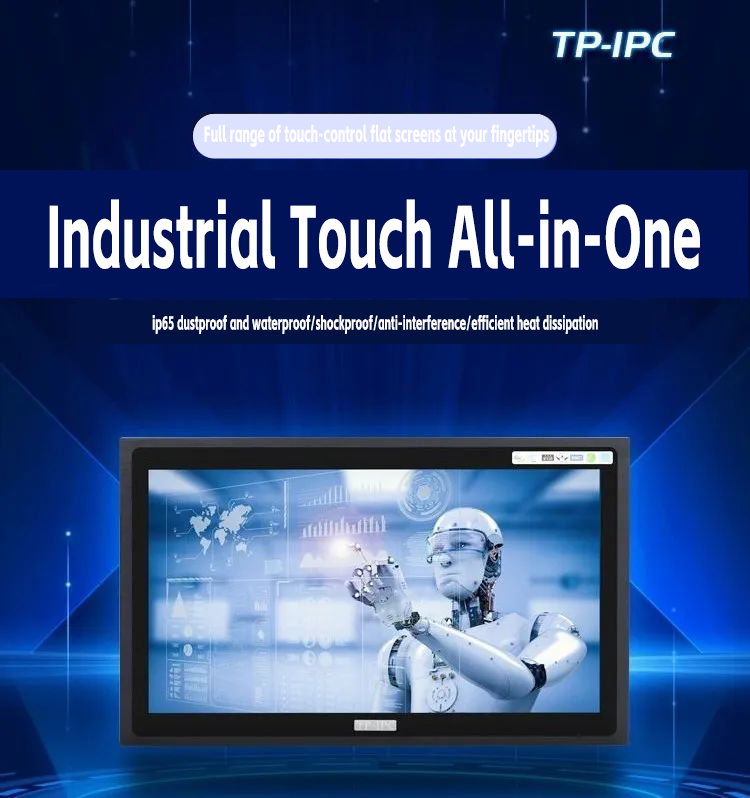 Practical case studies
(1) A parts production company’s automated production line transformation
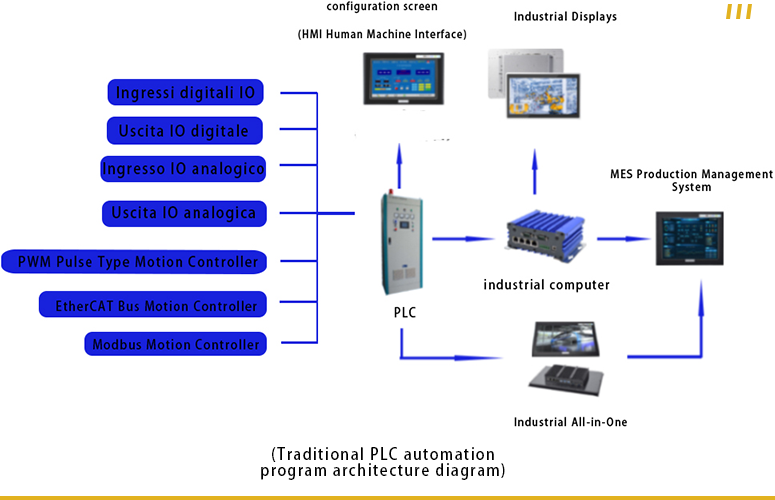
The original production line of the enterprise adopts traditional PLC control, low production efficiency and unstable product quality. Through the introduction of industrial control machine, the production line has been comprehensively transformed. The ICP controls multiple robots to carry out precise material handling and assembly, and at the same time collects and analyses data in real time during the production process to optimize the production process. After the transformation, the production efficiency of the production line has increased by 35%, and the qualification rate of the products has increased to more than 99%.
(2) Equipment Monitoring and Optimisation System for a Wind Farm
The equipment of the wind farm is widely distributed, operating in a harsh environment and difficult to maintain. A set of equipment monitoring and optimisation system is constructed by using an industrial computer to monitor the running status, wind speed, wind direction and other parameters of the wind turbine in real time. Through data analysis and intelligent algorithms, the maximum power tracking and preventive maintenance of the wind turbine is achieved, which improves power generation efficiency and reduces maintenance costs.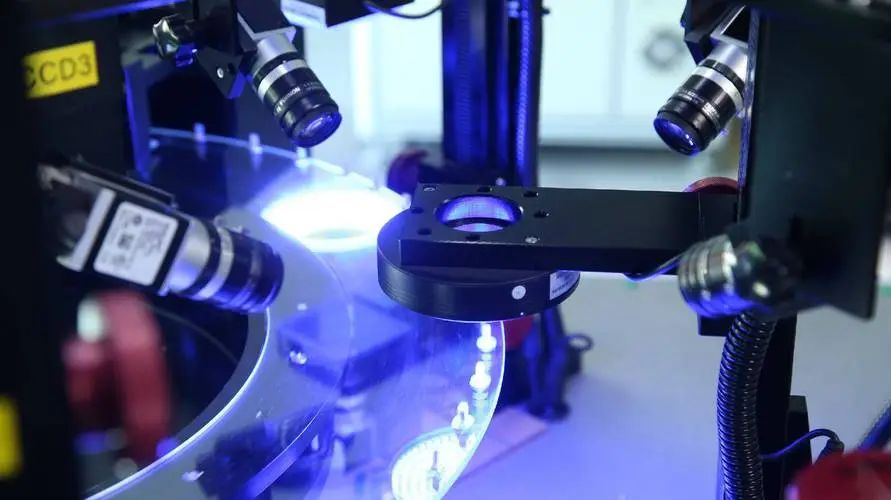
Challenges and Solutions
(1) Complexity of the industrial environment
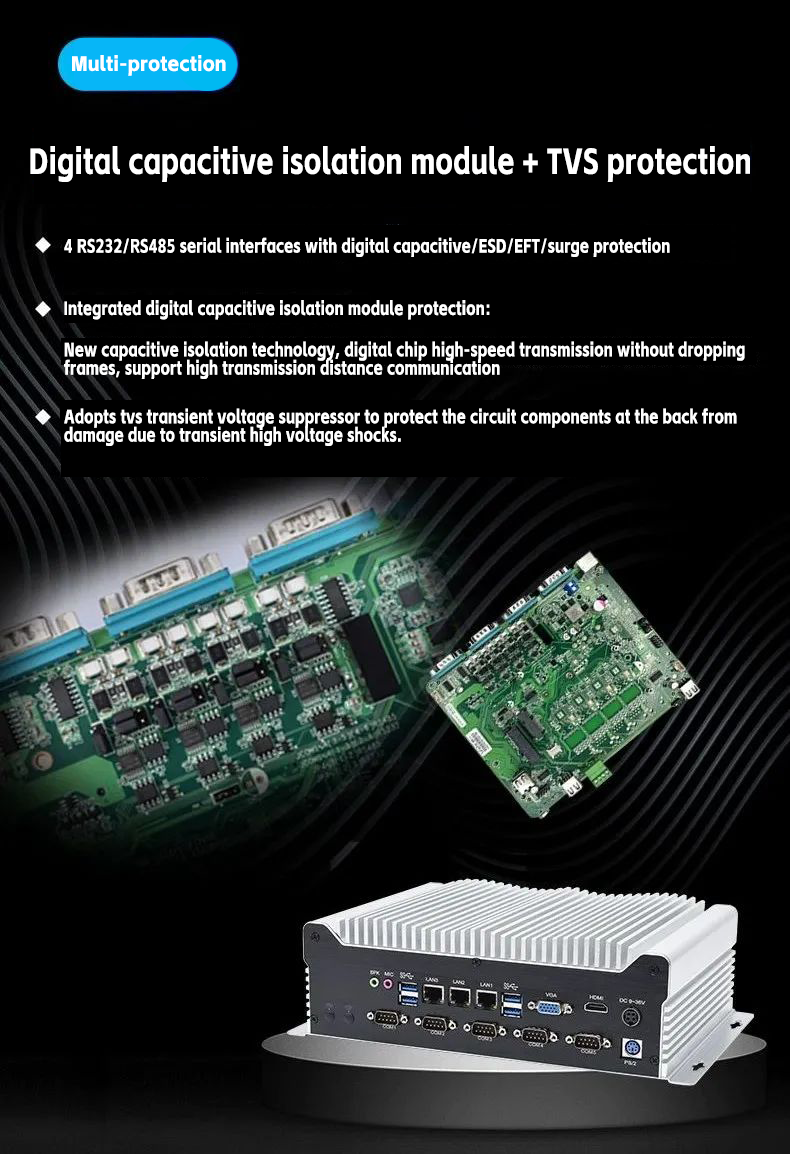
There are many unfavourable factors such as electromagnetic interference, vibration, dust, etc. in industrial sites, which may affect the normal operation of industrial controllers. Solutions include the use of anti-interference hardware design, sealing protection measures, heat dissipation optimisation, etc.
(2) System compatibility issues
When integrating with old equipment, compatibility problems such as mismatched interfaces and inconsistent communication protocols may be encountered. This is solved by using conversion modules, developing middleware, etc.
(3) Network security threats
With the development of the industrial Internet, industrial controllers face the risk of network attacks. Security measures such as network isolation, encrypted communication, and identity authentication are taken to ensure the safe operation of the system.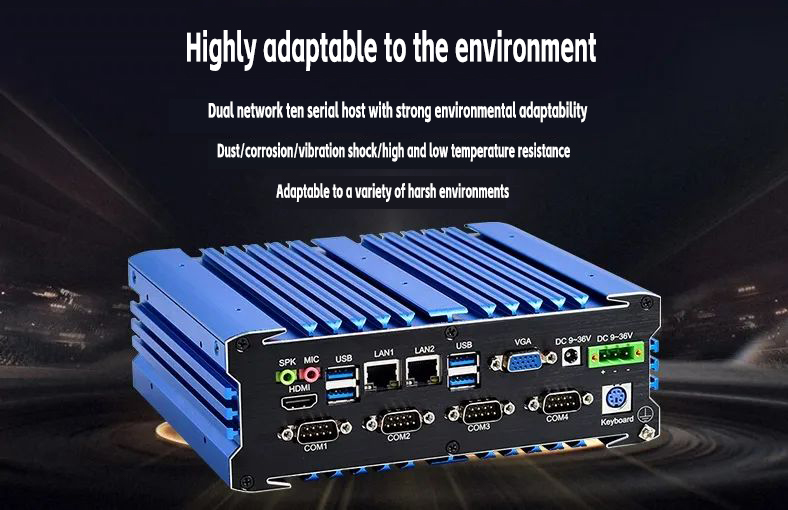
Future Development Trends
(1) Intelligent
Integration of artificial intelligence, machine learning and other technologies, so that the industrial control machine with more powerful intelligent control and decision-making capabilities, to further improve production efficiency and quality.
(2) Edge computing
With the popularity of the Industrial Internet of Things, industrial controllers will take on more of the tasks of edge computing to achieve local processing of data and real-time response, reducing data transmission delays and network bandwidth pressure.
(3) Openness and interoperability
Support more open standards and protocols, improve interoperability with equipment from different manufacturers, and promote the integration and collaborative work of industrial control systems.
Conclusion:
The application of industrial controllers in the transformation of industrial control equipment has brought significant efficiency gains and quality improvements to industrial production. By giving full play to its powerful data processing capabilities, real-time control performance, stability and scalability, it can achieve automation, intelligence and optimised operation of industrial production. However, in practical applications, it still needs to face various challenges and continuously explore innovative solutions. With the continuous development of technology, industrial controllers will play a more important role in the industrial field, promoting industrial production to a higher level.

 Limited computational power PLCs: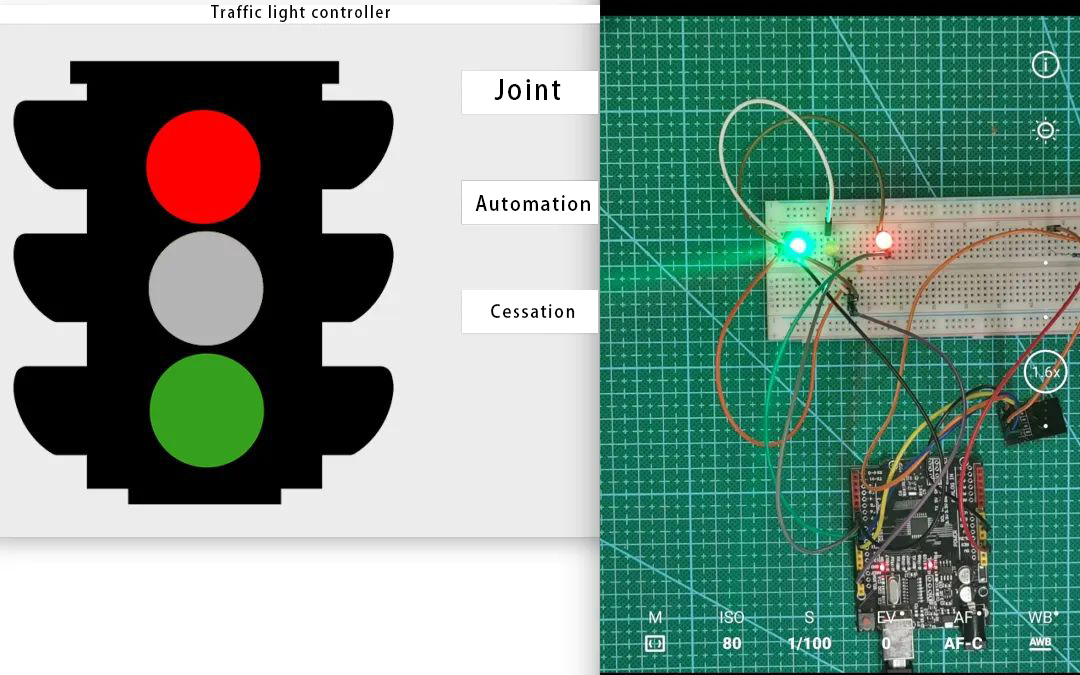





 Reporters:How do you think differences in arithmetic and performance will distinguish the vision industry from other industries?